
2nd Order Change: Build or Rebuild for AI?
AI agents deliver more changes, but approvals remain a bottleneck. How companies can test new working rules and why starting a new company makes this easier.
I work with technology leaders in Switzerland and DACH. Depending on the project, I develop an AI application or help your team introduce AI. You work directly with me, from planning through implementation.
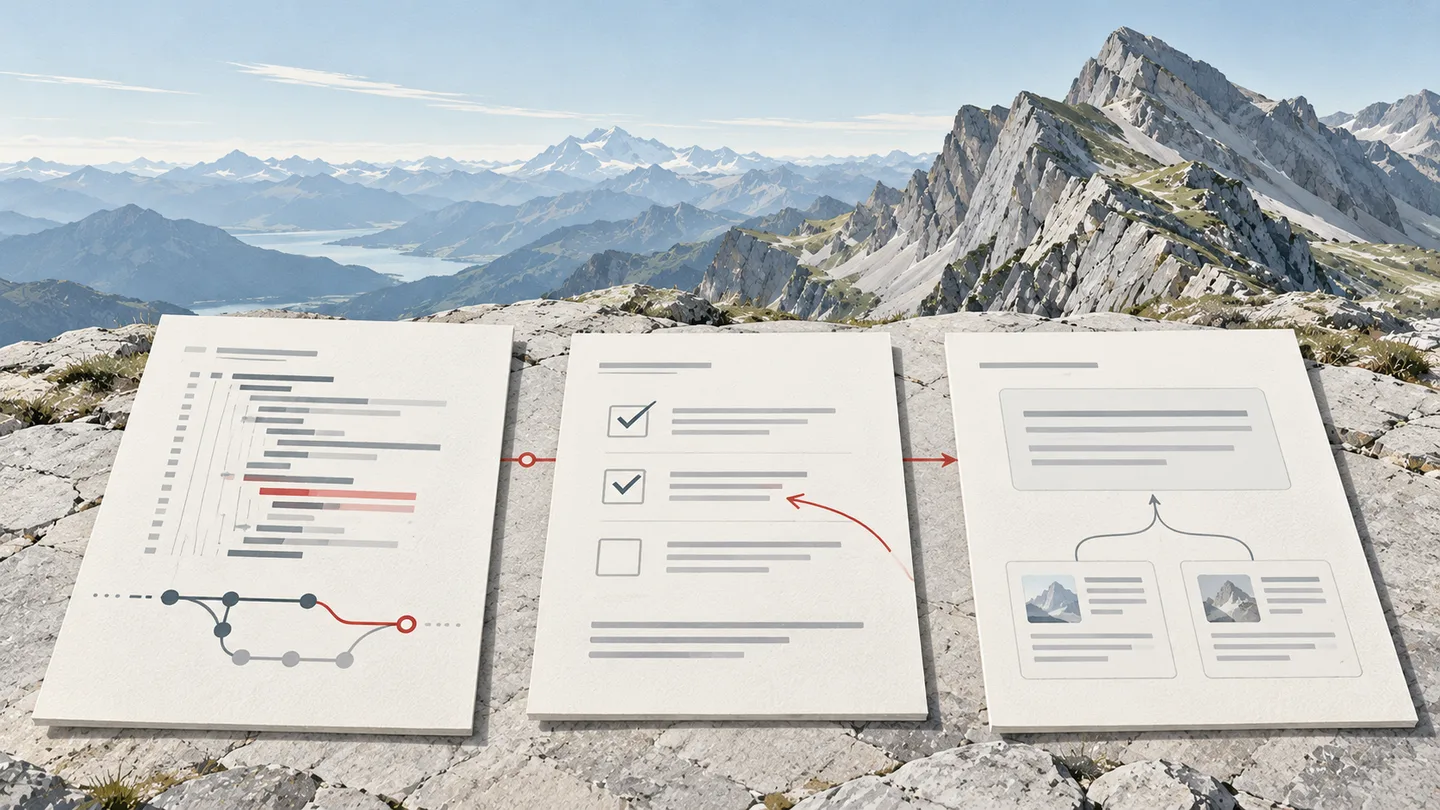
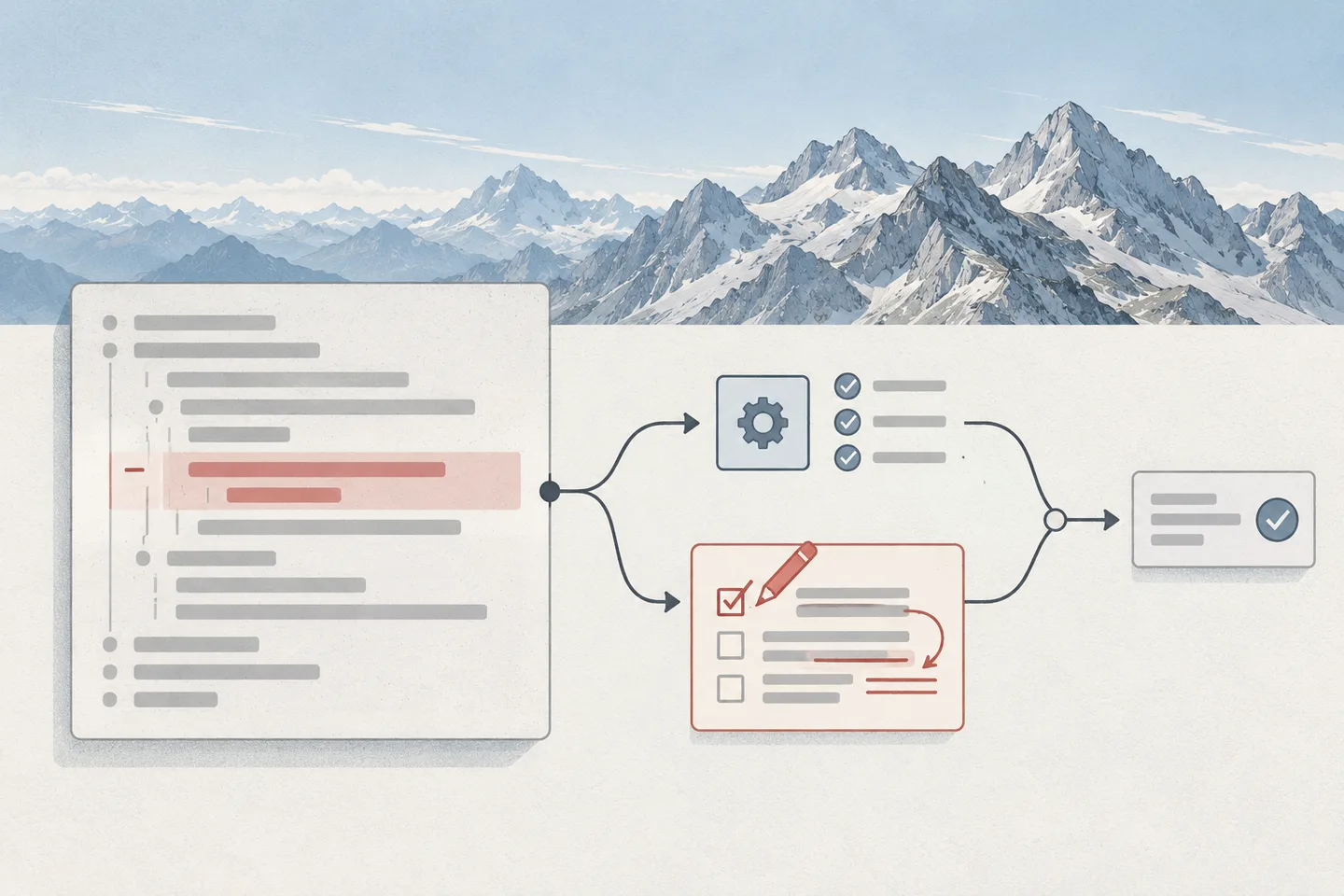
I help your development team use AI throughout the development process, from requirements to operations. Together, we identify steps that can be automated and define how your team reviews the results.
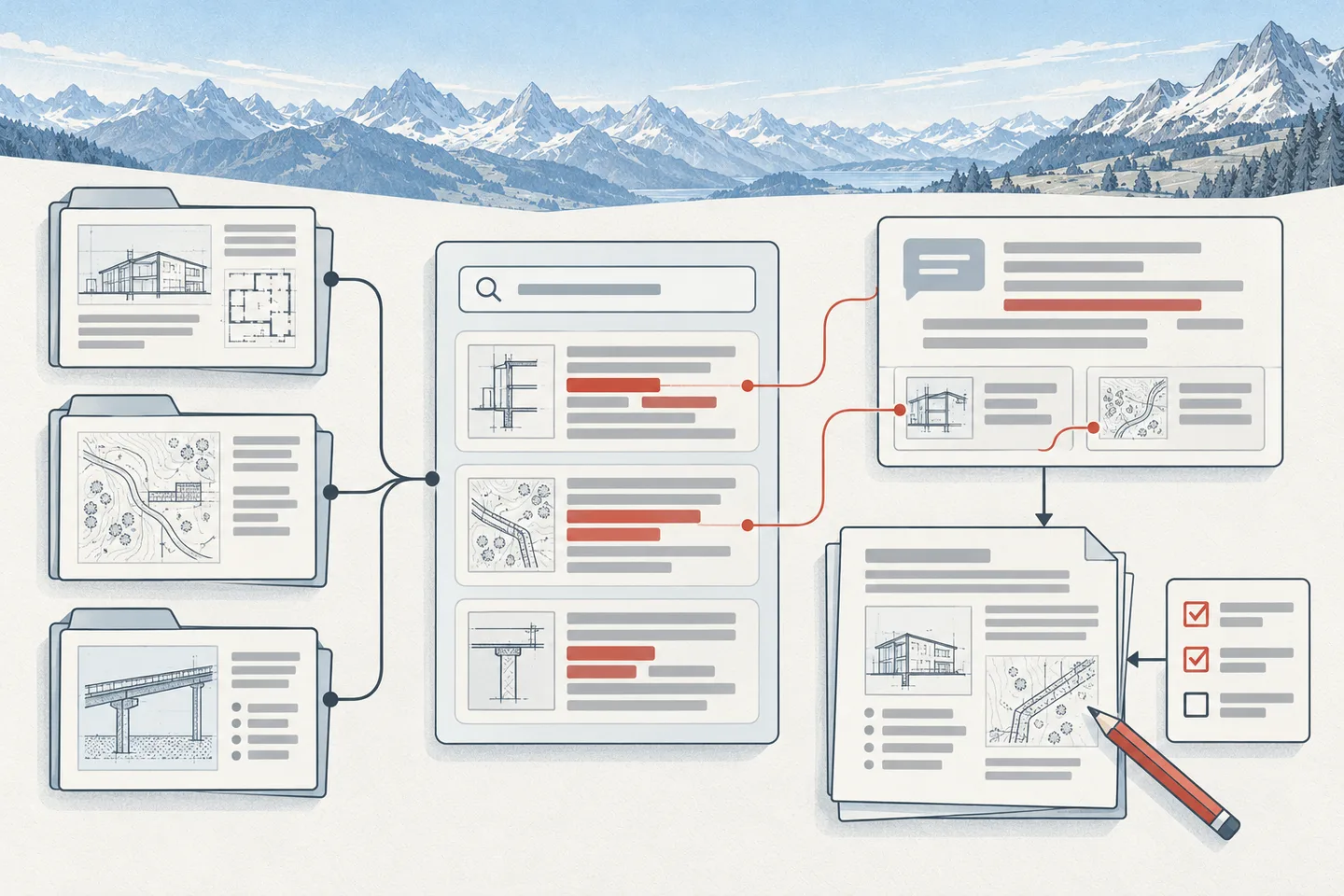
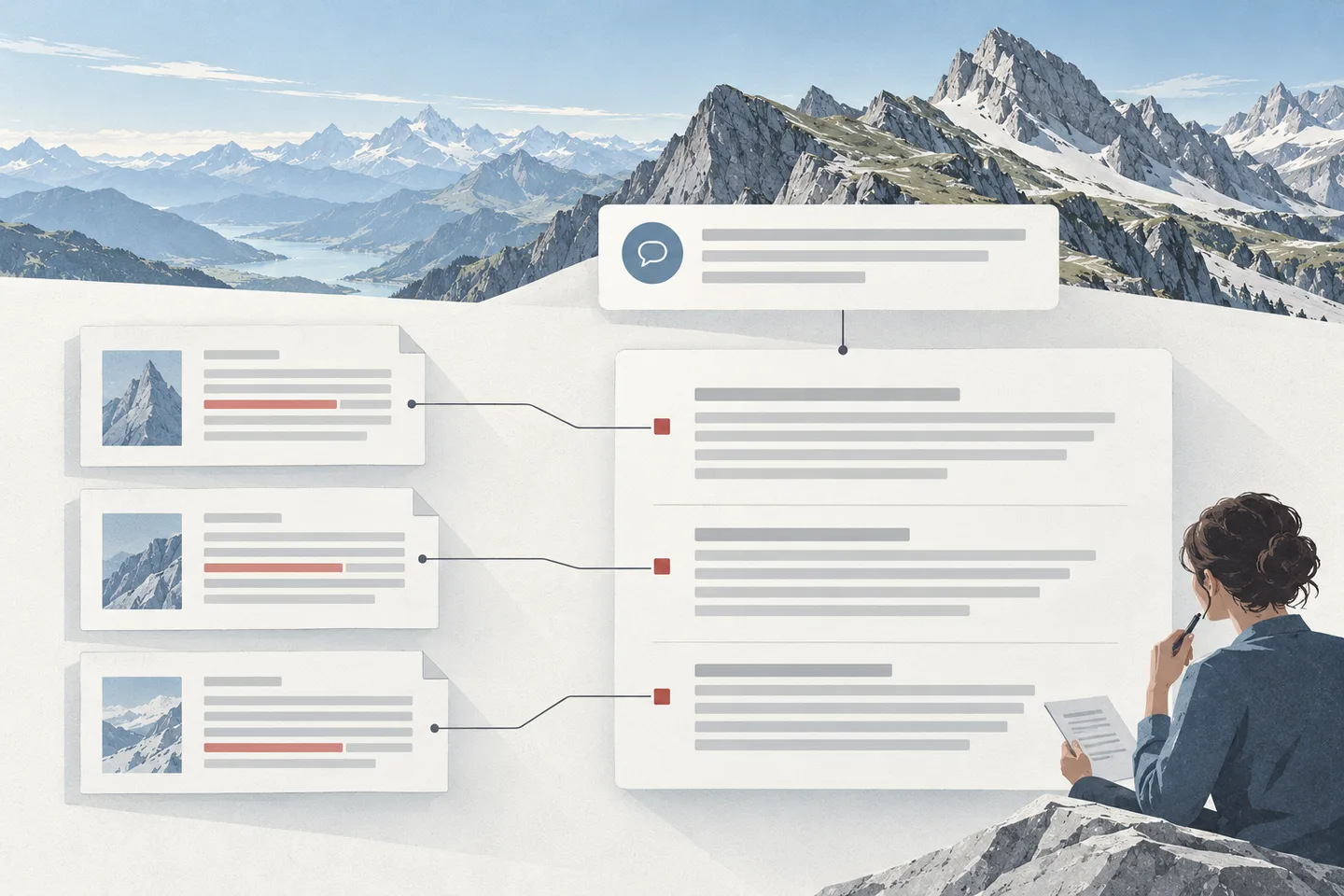
I develop software that uses AI for a specific task. The Intelligent Archive, for example, searches your documents and uses their contents to answer questions or draft proposals.
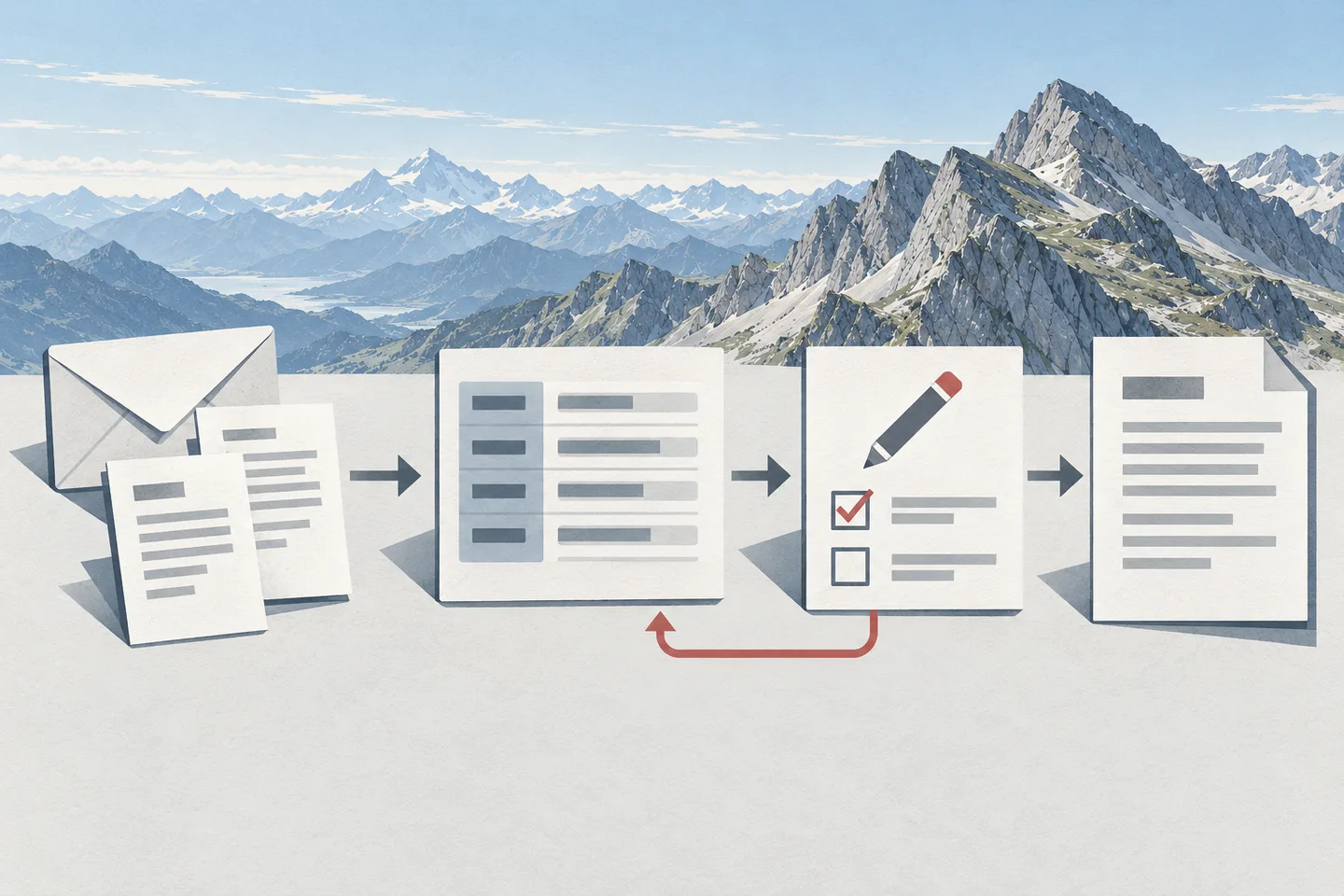
I work with you to identify recurring tasks that take considerable time, such as research or document preparation, and automate suitable steps with AI. We assess the benefit within the actual workflow.
AI agents deliver more changes, but approvals remain a bottleneck. How companies can test new working rules and why starting a new company makes this easier.
A transformation team without authority over the existing rules is either assimilated or rejected. Why that happens and what a contract has to settle before the team starts.
Faster work before a bottleneck does not shorten the time to release. Why AI agents also require decisions about who may authorise what.
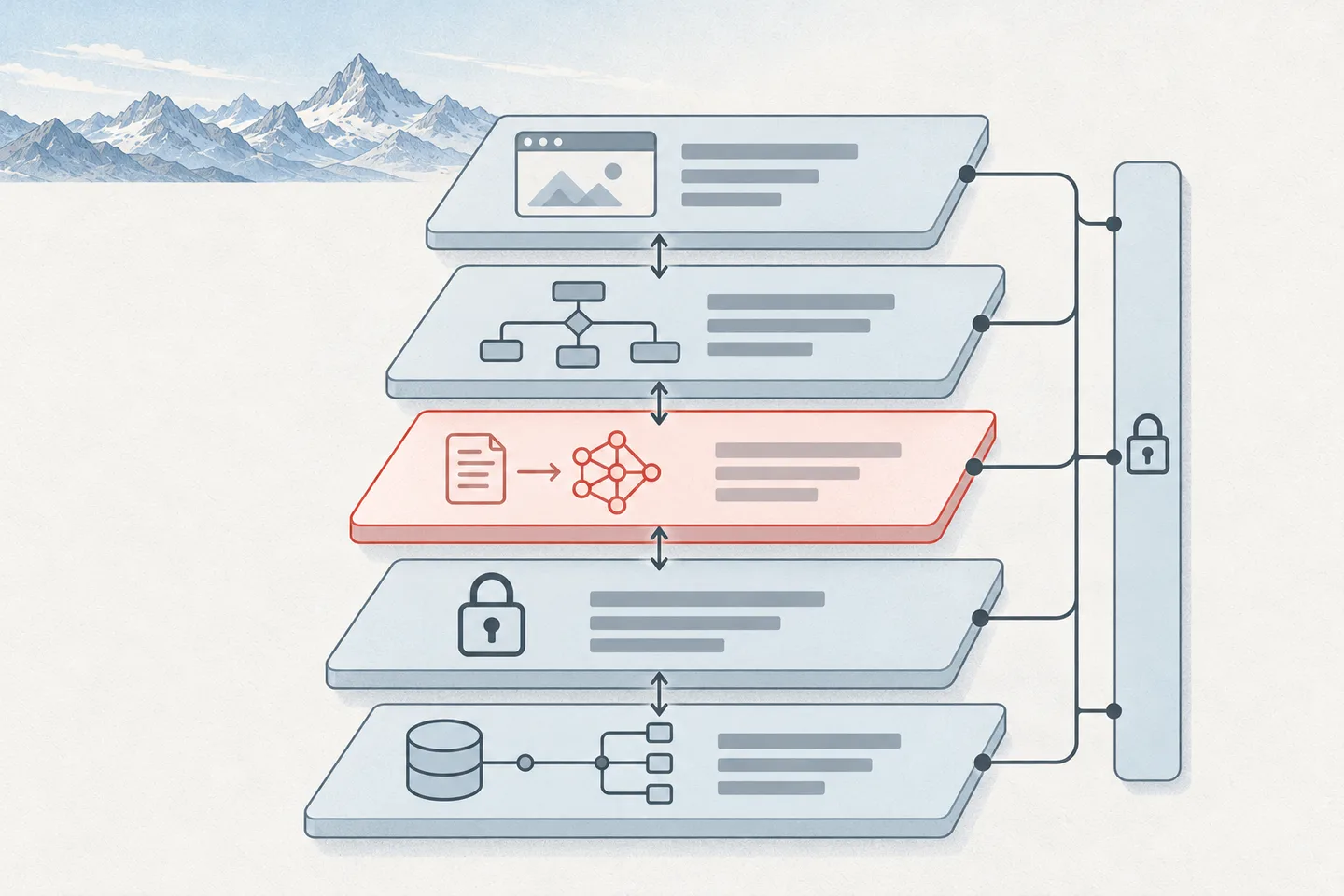
A reference architecture for AI applications: interface, business logic, AI processing, security and data integration with distinct responsibilities.
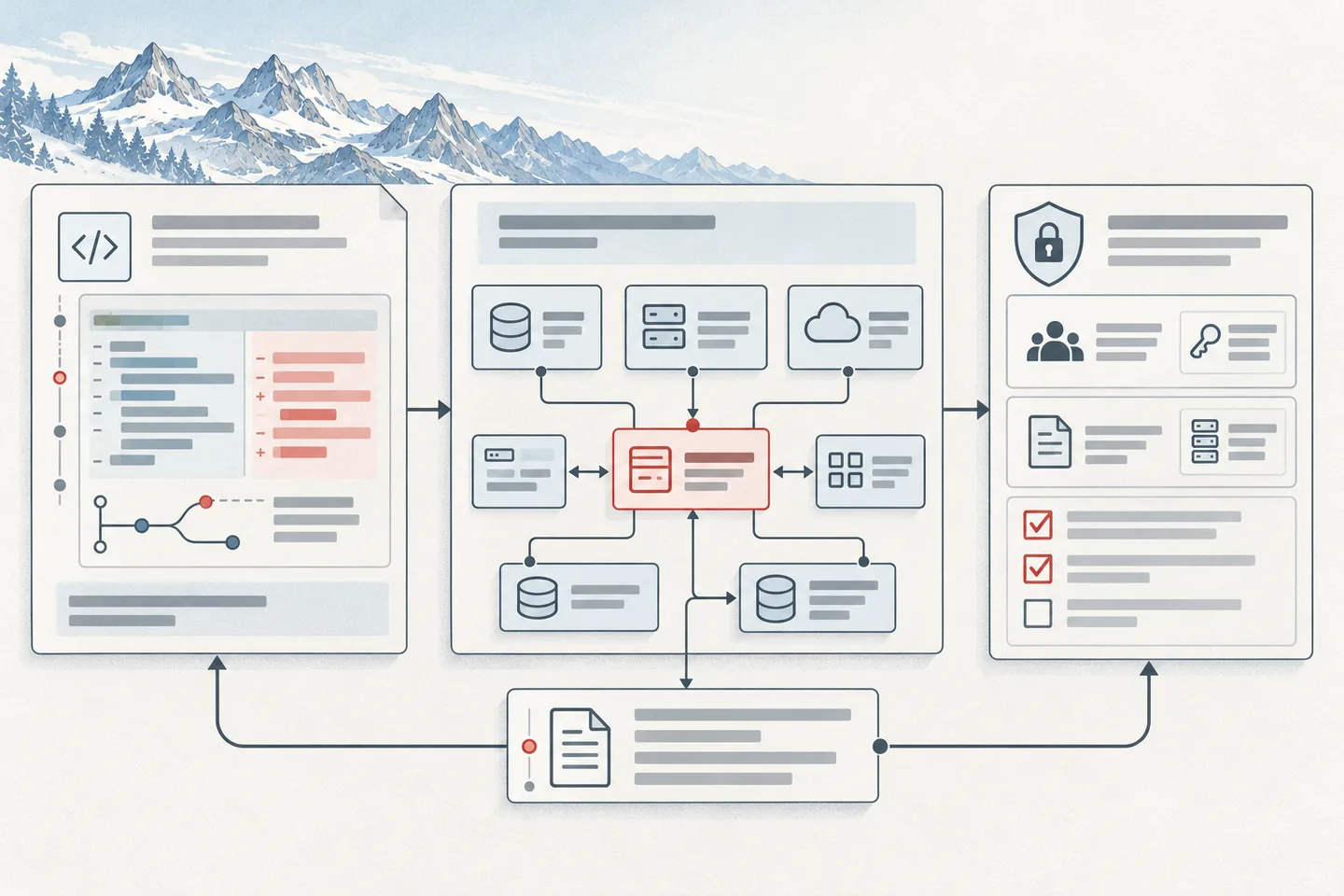
I designed the architecture roadmap for introducing an AI-DLC, a development process in which AI carries out steps. The engagement covered work with the leadership team, software architecture, and requirements for security and operations.
The archive uses company documents to answer questions about existing projects and draw on earlier work for new proposals or concepts.